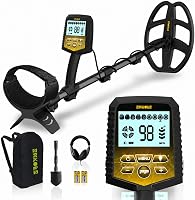
What Can You Find With a Metal Detector?
A metal detector can find coins, jewelry, relics, and other metal objects buried in soil or sand. What you find depends on the location, the target metal, and how you search.
On this page (10 sections)
- What can you find with a metal detector?
- Where are metal detector finds most likely?
- Can a metal detector find gold?
- Will a detector find coins and jewelry?
- What affects what a metal detector can find?
- What happens after the detector signals?
- What should you do with a find?
- What can you find with a metal detector on a beach?
- What should you expect on your first hunt?
- Find the right place before you expect a treasure
A metal detector can find coins, jewelry, relics, and other metal objects buried in soil or sand. What turns up depends on where you search, the target, and how you work each signal.
You may find a coin on one hunt and pull tabs or scraps on the next. A detector can point you toward metal, but it can't promise that an object is old, rare, or valuable.
What can you find with a metal detector?
A metal detector can find coins, jewelry, relics, and discarded metal. The mix depends on the history and use of the place you search.
Common targets include:
- Modern coins and older coins
- Rings, earrings, and other jewelry
- Buttons, buckles, and small tools
- Lost keys and metal parts
- Pull tabs, bottle caps, nails, and foil
The detector responds to metal, not to an object's story or value. You usually need to recover a target and inspect it before you know what it is.
For a first hunt, search modes can help you adjust to a permitted location. The Minelab Vanquish 360 has Park, Beach, and All Metal modes.
Where are metal detector finds most likely?
Places where people gather or spend time outdoors can hold lost coins, jewelry, and small metal items. Search only where detecting is allowed, and get permission before entering private land.
A schoolyard, picnic area, or public beach may have a different mix of targets than an old farm field. Past use matters: places where people walked, worked, or relaxed may hold lost items.
Check local rules before you go. Parks, historic sites, beaches, and other public spaces may have restrictions on detecting or digging, and private property requires the owner's permission.
For wet ground or shallow water, check the detector's water limits before searching. Our guide to what waterproof means on a metal detector explains why a waterproof coil does not always mean the entire detector can be submerged.
Can a metal detector find gold?
Yes, a metal detector can find gold jewelry and some gold nuggets, but results depend on the target and conditions. Small pieces can be harder to detect, and ordinary ground can produce plenty of signals that are not gold.
Gold jewelry may be found in parks or at beaches where people have lost it. Gold prospecting is a different search, and the detector, ground, and location all matter.
The Nokta Simplex Ultra has a carbon fiber shaft that retracts to 25 inches and an 11-inch search coil. The retracting shaft helps with transport and storage, but those features don't guarantee gold finds.
Read can a metal detector find gold? for a closer look at what to expect.
Will a detector find coins and jewelry?
Yes, coins and jewelry are common targets, especially in places where people gather. Expect unwanted metal signals as well, since a detector may respond to both a lost coin and discarded metal nearby.
A detector's settings can help you focus on certain targets, but filtering signals can also hide items you might want to find. Learn what each mode does before changing settings, and listen to a range of signals while you build experience.
The Bounty Hunter TK4 has All Metal, Tone, and Discrimination modes. Its 8-inch search coil is waterproof, but that does not mean you can submerge the whole detector.
Our guide to using a metal detector covers settings, signals, and a first search step by step.
What affects what a metal detector can find?
A detector's finds depend on the object, ground, detector, and search technique. A large object near the surface may be easier to detect than a small object deeper down.
These factors can change what you find:
- Target size and shape: A larger metal object may give a stronger response than a tiny one.
- Target material: Detectors respond to different metals in different ways.
- Depth and position: The object's depth and angle can affect the signal.
- Soil and surroundings: Mineralized soil or nearby metal can make signals harder to interpret.
- Search settings and pace: Settings and steady coil movement help you cover an area consistently.
Depth is never a single fixed number for every target. See how deep a metal detector can detect for the factors that affect depth.
What happens after the detector signals?
After a signal, sweep the same spot from more than one direction, then narrow down the target before digging. A pinpointer can help you locate a small object in the soil you remove.
Check for buried utilities before digging, even where detecting is allowed. Where safe and permitted, dig a small plug, keep the soil together as you check it, and replace the plug when you're done.
A sand scoop can help recover targets from loose beach sand. The GADFISH sand scoop has a detachable long handle and stainless steel scoop; rinse it with fresh water after use in saltwater.
For smaller targets in a hole, learn what a pinpointer is used for and when it can help.
What should you do with a find?
Identify ordinary finds and follow local reporting rules, but leave suspected ammunition or dangerous objects untouched. Move away and contact local authorities if you find something that may be hazardous.
Historic objects may have special handling or reporting requirements. Clean only when you know the material and the right method.
Aggressive scrubbing can damage a corroded or fragile object. Take a clear photo first and ask a qualified local expert if its age or importance is uncertain.
Take ordinary litter with you when you can do so safely. Filling your holes and leaving the site tidy helps keep access open for other detectorists.
What can you find with a metal detector on a beach?
At a beach, detectors may find lost coins, jewelry, and other metal items in sand. Search rules vary by beach, and wet sand or shallow water calls for equipment rated for those conditions.
Dry sand is often easier to work than surf or wet sand, but the best place to search depends on beach use and local rules. Check tides and weather, and stay clear of rough water and crowded areas.
Bring a scoop for loose sand and a way to carry recovered trash. Our beach metal detecting tips cover planning and search habits for a beginner outing.
What should you expect on your first hunt?
Expect a mix of ordinary metal and unidentified targets. Learning to recognize your detector's signals is part of the hobby.
Choose a permitted area, set a simple search mode, and move the coil slowly with each sweep overlapping the last. Keep notes about signals and settings so you can learn from the results.
If you're choosing your first detector, compare the features in our best metal detectors guide. Pick a model based on where you plan to search and whether its controls feel manageable for you.
Find the right place before you expect a treasure
Choose your detector around the places you can search and the metal objects you hope to find. Search modes, water limits, and controls matter more than a promise of treasure.
Choose a general-purpose detector for parks and fields, or check the required water protection for searches near water. Then read how to start metal detecting to plan your first outing.
Frequently asked questions
What can you usually find with a metal detector?
Common finds include modern coins, older coins, jewelry, and metal relics such as buttons or tools. You'll also hear signals from unwanted metal like pull tabs and bottle caps.
The location and search settings affect what turns up, so expect a mix rather than a guaranteed valuable find.
Can a metal detector find gold?
Yes, a metal detector can find gold jewelry and some gold nuggets, but results depend on the detector, target size, soil, and search area. Gold is not guaranteed, and small targets can be harder to detect, so choose your equipment and search location with those limits in mind.
Can a metal detector find things underground?
Yes, detectors can respond to metal objects beneath soil or sand, but depth varies with the target's size, shape, metal, orientation, soil conditions, and detector. A signal does not tell you exactly what is buried, so check for buried utilities before digging and follow local rules.
What should beginners look for with a metal detector?
Beginners can start with coins and other common metal objects in a permitted park, yard, or beach area. Learn the detector's tones and settings before digging, and carry a pinpointer to narrow down a target in the hole.
Always check local rules and get permission where needed.