What Does Waterproof Mean on a Metal Detector?
Waterproof on a metal detector means the parts named by its maker can handle water under stated conditions. Check whether that covers the control box as well as the coil, and follow the depth and care instructions for your model.
On this page (9 sections)
- What does waterproof mean on a metal detector?
- Does an IP rating tell you how deep a detector can go?
- Which parts of a metal detector should you check?
- What should you check before buying a waterproof metal detector?
- Which waterproof metal detector fits your water use?
- Can you use a waterproof detector in salt water?
- How should you care for a waterproof metal detector after a hunt?
- Can you trust a waterproof claim without a depth rating?
- Choose by the part that will get wet
A waterproof metal detector can handle water only within the parts, depth and conditions its maker specifies. Some models are made for full submersion, while others have a waterproof coil and a control box that must stay dry.
Before you take one to the shore or into shallow water, check what “waterproof” applies to. The coil, control box, headphones and charging connections may have different limits.
What does waterproof mean on a metal detector?
“Waterproof” means specified parts can resist water under stated conditions. Look for the protected components and a depth limit, not just the word in a product name.
A coil marked waterproof may be suitable for shallow water even when the control unit is not. If the maker doesn't say the whole detector is submersible, keep the control box out of the water.
Does an IP rating tell you how deep a detector can go?
An IP rating describes tested protection against dust and water, but you still need the maker's depth instructions for the specific detector. Don't treat the rating alone as permission to submerge the unit.
The Minelab X-Terra PRO is IP68 waterproof to 16 ft. The Minelab Vanquish 360 is also IP68 and submersible up to 16 ft.
Follow each model's manual for use and care. A detector's submersion limit does not establish water limits for separate headphones or other accessories.
What does IP68 mean on a waterproof metal detector?
IP68 is a protection code, but the code alone isn't a complete guide to underwater use. The manufacturer's stated depth and conditions tell you what the device is intended to handle.
The International Electrotechnical Commission maintains the IP Code standard. Its IP Code overview explains the code system, while the detector's own instructions give its water-use limits.
Which parts of a metal detector should you check?
Check the control unit, coil, cable connections and headphones, plus any accessory you plan to use. Each can have a different water limit, so don't assume one waterproof component protects the whole setup.
The control box matters most if you plan to put the detector underwater. Check whether the maker permits full submersion, the maximum depth, and how to close any covers before water use.
A waterproof coil can still be useful for wet sand and shallow water. Keep other components dry unless the manual clearly says they can get wet.
What should you check before buying a waterproof metal detector?
Choose a detector based on where you plan to search and which parts need to go underwater. Confirm the control-box limit, coil protection and stated depth before deciding.
- For full submersion, look for a stated depth limit for the complete detector.
- For wet sand or shallow water, confirm that the coil is protected and keep the control box dry if required.
- For beach use, check for a beach search mode or the maker's guidance for wet sand.
- For rinsing after a hunt, follow the manual's instructions for fresh water, ports and drying.
If you're weighing options for water use, our best waterproof metal detectors guide compares models for that purpose. For beach-specific choices, see the best metal detectors for the beach.
Which waterproof metal detector fits your water use?
The Minelab X-Terra PRO and Minelab Vanquish 360 are submersible up to 16 ft. The SAKOBS 11-inch foldable detector and Minelab X-Terra Voyager have waterproof coils, so check their manuals before exposing their control units to water.
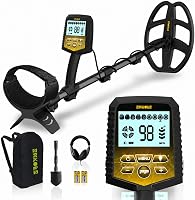
The SAKOBS 11-inch foldable detector has an 11 in IP68 waterproof DD coil for beach, wet sand and shallow-water searching. Confirm the control unit's water limits before using it near water.
The Minelab Vanquish 360 is IP68 and submersible up to 16 ft, with Park, Beach and All Metal search modes. Its 10 x 7 in Double-D coil is also waterproof.
The Minelab X-Terra Voyager has an 11 in waterproof coil for searches across beaches, parks and fields. Keep its control unit dry unless the manual confirms that it can get wet.
Can you use a waterproof detector in salt water?
A waterproof rating describes water protection, not how the detector responds to salt or wet sand. Check the manual for beach settings and guidance for saltwater conditions.
The Minelab X-Terra PRO has Beach search modes, and the Minelab Vanquish 360 includes a Beach mode. Those settings are relevant to beach use, but they don't replace the stated water limits.
For practical beach setup and search habits, read our beach metal detecting tips for beginners. If you're learning the basics, how to use a metal detector walks through a first hunt.
How should you care for a waterproof metal detector after a hunt?
Use the cleaning and drying steps in your detector's manual after water use. Close covers as directed, rinse only if the maker allows it, and make sure the unit is dry before charging or storing it.
Sand and salt can collect around joints and controls. Handle them according to the manual, and avoid opening ports or covers while the detector is wet.
Can you trust a waterproof claim without a depth rating?
If a detector's water claim has no clear depth or component details, don't assume it can be submerged. Ask the manufacturer or check the manual before using it in water.
A missing depth limit matters most if you plan to search underwater. For dry sand or damp ground, a waterproof coil may meet your needs, but the control unit still needs protection from water unless its instructions allow exposure.
Choose by the part that will get wet
For underwater use, choose a waterproof metal detector with a stated submersion depth for the complete unit. For wet sand or shallow water, a waterproof coil may meet your needs if you keep the control box within its limits.
Before your first hunt, check the manual and follow its water and care instructions. Then use our guide to using a metal detector to prepare for the search.
Frequently asked questions
Does waterproof mean a metal detector can go underwater?
Only if the maker says the parts you plan to submerge can go underwater, and gives a suitable depth limit. Some detectors have waterproof coils with control boxes that must stay dry, so check the manual for the exact model before putting it in water.
Is an IP68 metal detector fully waterproof?
IP68 indicates a tested level of dust and water protection, but it does not by itself tell you the permitted depth and duration for every detector. Check the manufacturer's stated limits and care instructions for the complete detector and any accessories.
Can I use a waterproof metal detector in salt water?
A waterproof rating alone does not say how well a detector will work in salt water. Salt and wet sand can affect detection, so check whether the detector has a beach mode or other guidance for those conditions, then rinse and dry it as its manual directs.
Can I rinse a metal detector after a beach hunt?
Follow the manual before rinsing any part of a detector. If it allows fresh-water rinsing, keep ports and covers closed as directed, and dry the unit before charging or storing it.
Don't assume a waterproof coil means the control box can get wet.