How to Start Metal Detecting: What You Need
To start metal detecting, choose a beginner-friendly detector, learn its controls, get permission to search, and bring a digging tool and a way to carry finds. Start with a short hunt in a place where detecting is allowed.
On this page (9 sections)
- What do you need to start metal detecting?
- How do you choose your first metal detector?
- What should you bring on a first hunt?
- Where can you metal detect as a beginner?
- How do you plan your first metal detecting hunt?
- Do you need a pinpointer or a sand scoop?
- What rules should you check before detecting?
- How much gear should a beginner buy?
- Start metal detecting with a simple kit and a permitted site
To start metal detecting, choose a beginner-friendly detector, learn its controls, get permission to search, and bring a digging tool and a way to carry finds. A short first hunt in an allowed place helps you learn without buying a large kit up front.
You need only a few basics: a detector, a tool for recovering targets, and a plan for where to search. Headphones and a pouch can make a first outing easier, while extra gear can wait until you know what kind of detecting you enjoy.
What do you need to start metal detecting?
You need a detector, a digging tool, a way to carry finds, and permission to search the chosen location. Headphones are useful for listening to signals, but the detector and a suitable recovery tool are the core kit.
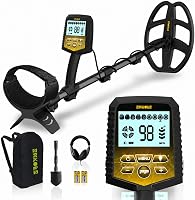
The Minelab X-Terra Voyager comes with headphones, a collapsible shovel and a backpack, and its controls include 4 search modes and visual Target ID numbers.
The Bounty Hunter TK4 is another option with 3 detection modes and an 8-inch waterproof coil. Coil waterproofing does not establish that the whole detector can go underwater, so follow the manual's limits around water.
You can practice the controls before buying extra accessories, but target recovery calls for tools suited to the site. Start with what supports your location and leave specialty tools for later.
How do you choose your first metal detector?
Choose a detector with controls you can understand and features that match the places you plan to search. A first detector should help you learn signals and target recovery without making you sort through options you won't use.
Consider these points before choosing:
- Controls: Look for clear settings and a mode that suits general searching.
- Target feedback: Visual numbers or distinct tones can help you decide whether to investigate a signal.
- Search location: Coil waterproofing does not necessarily mean the whole detector can go underwater.
- Transport: A collapsible or adjustable shaft may be easier to carry and store.
- Included gear: A kit may include useful basics, but check whether the digging tool suits your ground.
The Minelab X-Terra Voyager has All Metal, Custom, Jewelry and Learn modes, plus 7 discrimination segments and a pinpoint mode. Its adjustable shaft collapses to 28.3 inches, which may help with transport.
Read how to choose a metal detector for beginners for a closer look at matching detector features to your plans. You can also compare metal detectors for adults to explore first-detector options.
What should you bring on a first hunt?
Bring your detector, a digging tool suitable for the site, a pouch or bag, water, and a phone or map for navigation. Wear shoes and clothing that suit the terrain, and carry out trash you uncover where local rules allow.
Headphones can help you hear signals, but keep the volume low enough to remain aware of your surroundings. The Garrett MS-2 headphones have volume control and a reinforced 10 ft coiled cable with a 1/4-inch right-angle stereo plug; confirm compatibility with your detector before buying.
A pouch with separate space for finds and trash keeps your hands free. A digging tool should fit the ground and the rules at your site; some places require you to leave the ground undisturbed.
Where can you metal detect as a beginner?
Start somewhere you have clear permission to search and where digging is allowed. A private yard with the owner's approval can be a simple place to practice, while public land may have rules that vary by city, park or managing agency.
Before you go, check the exact site's rules for metal detecting, digging and removing objects. Ask the landowner or managing authority if the rules are unclear, and avoid protected historic sites or marked areas where collecting is restricted.
A beach hunt needs a little more planning because wet sand and saltwater can affect what gear is suitable. Read our beach metal detecting tips for beginners before taking a detector to the shore.
How do you plan your first metal detecting hunt?
Plan a short hunt in a permitted area, read the manual, and practice the controls before you leave home. Knowing how to adjust the detector and recover a target carefully makes the outing easier to manage.
Steps to start metal detecting
Check permission first, then practice your detector's controls and pack for the ground you'll search. Keep the first hunt small enough to focus on your sweep and signals.
- Check that detecting, digging and removing objects are allowed at the site.
- Read the manual and assemble the detector as directed.
- Practice the controls and sweep technique in a permitted area.
- Pack a recovery tool, a pouch and water.
- Search a small area slowly, keeping the coil close to the ground.
- Restore disturbed ground and carry out trash as required by the site's rules.
For a full walkthrough of the search itself, follow how to use a metal detector on your first hunt. It covers the basic sweep, signal checks and target recovery.
Do you need a pinpointer or a sand scoop?
A pinpointer and a sand scoop are optional tools for specific recovery jobs, so you don't need either to begin. A pinpointer can help narrow down a target in soil, while a sand scoop is made for sifting sand.
Learn what a pinpointer is used for before adding one to your kit. You can skip it at first and see whether locating targets after digging becomes a frustrating part of your hunts.
For a beach outing, a scoop can help separate finds from sand. The GADFISH sand scoop kit includes a scoop, a detachable long pole and a sand shovel, and GADFISH recommends rinsing it with fresh water after saltwater use.
What rules should you check before detecting?
Check the rules for the exact property and get permission before you search or dig. Rules can differ between private land, public parks, beaches and protected areas, and the land manager or local authority is the right source for current requirements.
Respect boundaries and any posted restrictions. If an object appears historic or the site has special protections, stop and ask the managing authority what to do before moving it.
How much gear should a beginner buy?
Buy only the gear that supports your first planned location. A detector and basic recovery tool cover the core tasks, while a pinpointer, beach scoop or specialized digging tools can wait until you know what your hunts require.
The cost of the hobby can include more than the detector, so consider accessories and travel before choosing a kit. Our guide to what metal detecting as a hobby really costs explains the common expenses to weigh.
Start metal detecting with a simple kit and a permitted site
Choose the Minelab X-Terra Voyager if you want a detector bundled with headphones, a collapsible shovel and a backpack. Choose the Bounty Hunter TK4 if you prefer analog controls and 3 detection modes, then add recovery gear suited to your permitted search site.
Once you have a detector, use your first-hunt guide to practice the search and recovery steps.
Frequently asked questions
What do you need to start metal detecting?
Start with a metal detector, a digging tool suited to the ground, and a pouch or bag for finds and trash. Headphones can help you hear signals, while a pinpointer can help locate a target in soil; check local rules and get permission before you search.
Is metal detecting hard for a beginner?
The basic steps are simple: sweep the coil steadily, listen to signals, and dig carefully where permitted. Learning how your detector responds to different targets takes practice, so begin in a place where you have permission and review your detector's manual before the first hunt.
Do you need permission to metal detect?
Get the landowner's permission on private land, and confirm that the managing authority allows detecting on public land. Parks, beaches and historic areas can have different rules, including bans on digging or removing objects, so check the exact location before you go.
What should a beginner metal detector cost?
The right budget depends on the features you need and how often you expect to go. Compare beginner controls, included accessories and the kinds of places you plan to search, then see our guide to what a good metal detector costs for more context.