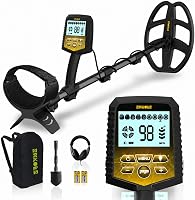
Metal Detector Accessories Adults Really Need
The metal detector accessories most adults need first are a pinpointer and a digging tool. Add headphones for quieter hunts and a sand scoop if you search beaches.
On this page (7 sections)
- Which metal detector accessories should you buy first?
- When are headphones useful for metal detecting?
- Do you need a sand scoop for beach detecting?
- What accessories can wait until later?
- How do you match accessories to your hunt?
- What should you check before buying detector accessories?
- What metal detector accessories do adults really need?
Metal detector accessories adults need first are a pinpointer and a digging tool. Headphones can help you hear signals, and a sand scoop is useful if you search beaches.
You don't need to buy every accessory at once. Start with gear that helps you locate and recover targets, then add tools for your hunt sites.
If you're still choosing your main detector, our guide to metal detectors for adults explains what to consider before you build a kit. For a first outing, see how to use a metal detector.
Which metal detector accessories should you buy first?
A pinpointer and a suitable digging tool are the most useful first accessories for many adult beginners. They help with the 2 steps after a detector signals: finding the target in the soil and recovering it.
A pinpointer is a small handheld detector that narrows down a target's location in a plug or pile of soil. A digging tool lets you recover that target while limiting unnecessary disturbance.
These tools suit different jobs. Use the pinpointer after your detector gives a signal, and choose the shovel based on your ground and the rules at your site.
Our guide to what a pinpointer is used for explains when one makes a difference. If you are comparing the two tools, read metal detector vs pinpointer.
How do you choose a metal detector pinpointer?
Choose a pinpointer by its alerts, handling and the places you plan to search. A waterproof model can make sense for wet areas, while a screen or vibration alert may help if you prefer visual or quiet feedback.
The DR.ÖTEK MT6 Pro pinpointer has an LCD, audio and vibration alerts, a 360-degree side-scan function, and a built-in LED light. DR.ÖTEK describes it as IP68-rated and fully submersible for searches around water and wet sand.
It also has one-touch signal cancellation, which DR.ÖTEK says reduces false signals. The kit includes a belt loop, retractable hanging wire, user manual and 9V battery.
A pinpointer is not a replacement for your main detector. See our best metal detector pinpointers if you want to compare more models.
What digging tool fits your usual ground?
Choose a digging tool for the soil or sand you search most often. A compact shovel fits a land kit, while a sand scoop helps separate targets from loose beach sand.
The CKG digging shovel measures 10.24 x 2.76 x 1.18 inches and has a stainless steel blade, rubberized non-slip handle, double serrated edges and a sheath. Its compact size and sheath suit carrying it to soil hunts where digging is allowed.
For a beach hunt, a scoop does a different job. The GADFISH sand scoop has a detachable long handle and 8.5 mm holes to sift sand; GADFISH recommends rinsing it with fresh water after saltwater use.
When are headphones useful for metal detecting?
Headphones are useful when you want to hear detector tones without relying on its speaker. They can also keep the sound private in places where you don't want to disturb other people.
The Garrett MS-2 headphones have a 10 ft reinforced coiled cable, volume control and a right-angle 1/4-inch stereo plug. The headband and ear pads provide the over-ear fit.
Check your exact detector's jack and any adapter requirements before buying wired headphones. For wireless headphones, confirm the detector supports the connection method they use.
Headphones are optional for a first outing if your detector's speaker is clear and you hunt somewhere quiet. If you use them, keep the volume low enough to remain aware of people and activity around you.
Do you need a sand scoop for beach detecting?
A sand scoop is useful for recovering targets from loose or wet sand because sand can pass through its holes. It is a specialized accessory, so you can leave it out of a land-focused kit.
The GADFISH sand scoop can be used on its own or paired with its extension pole. GADFISH describes it for beach and underwater searches and recommends rinsing it with fresh water after saltwater use.
A scoop is less useful in compact soil or grassy parks, where a digging tool made for ground may be easier to manage. Check beach rules before you dig, and fill any holes you make.
Our beach metal detecting tips cover site preparation and basic recovery habits. If you are deciding whether your detector can handle wet conditions, read what waterproof means on a metal detector.
What accessories can wait until later?
You can wait on extra accessories until your first few hunts show what you actually need. A second digging tool, a carry bag or specialized beach gear may add bulk if it does not match your usual locations.
A simple starter kit can stay focused:
- Pinpointer: Helps narrow a target's location after your detector signals.
- Digging tool: Lets you recover targets from permitted soil.
- Headphones: Help you hear signals and keep sound private.
- Sand scoop: Helps sift sand on beach hunts.
You may also want a way to carry small finds, gloves suited to the terrain, and water for a long outing. Those choices depend on your site and conditions, so don't treat them as required detector accessories.
How do you match accessories to your hunt?
Match accessories to the places you search and the targets you expect to recover. A land hunter may need a pinpointer and compact shovel first, while a beach hunter may get more use from a scoop.
| Hunt setting | Useful accessories | Why they fit |
|---|---|---|
| Parks and fields | Pinpointer, compact digging tool, headphones | Help locate and recover targets in soil |
| Loose beach sand | Sand scoop, pinpointer | The scoop sifts sand; the pinpointer narrows target location |
| Wet sand or shallow water | Waterproof pinpointer, suitable scoop | Gear needs to suit wet conditions |
| Quiet sites | Headphones | Keep detector audio close to you |
This is a starting point, not a fixed kit. Follow site rules, protect the ground, and choose tools that are practical to carry.
What should you check before buying detector accessories?
Check fit, intended use and site rules before buying accessories. A useful tool can still be a poor choice if it doesn't connect to your detector or suit the ground you search.
- Check compatibility: Confirm the headphone plug or other connection matches your detector.
- Check the hunt site: Find out whether detecting and digging are allowed, and whether you need permission.
- Match the tool to the ground: A scoop suits loose sand; a shovel suits many soil hunts.
- Consider carrying weight: A long handle or several tools can make a kit harder to carry.
- Check care needs: GADFISH recommends rinsing its scoop with fresh water after saltwater use.
Before any digging, avoid known or suspected buried utilities. A detector signal does not establish that a spot is safe to dig.
For help choosing the detector itself, use our metal detector buying guide for beginners. The detector should fit your needs first, then accessories can solve problems you run into while hunting.
What metal detector accessories do adults really need?
Choose metal detector accessories for your usual ground: a pinpointer and compact digging tool for permitted soil hunts, or a scoop for loose beach sand. Add headphones if you need more private audio and they work with your detector.
Keep your first kit small, then add gear when your outings show a clear need. For pinpointer choices, see our guide to the best metal detector pinpointers.
Frequently asked questions
What accessories do you need for metal detecting?
Start with a pinpointer and a digging tool to locate targets in soil and recover them. Headphones can help you hear faint tones, while a sand scoop helps on beaches, so choose gear for your usual ground and check any connection requirements before buying.
Is a pinpointer worth buying for metal detecting?
A pinpointer can help narrow down where a target sits after your main detector finds it, reducing searches through a plug or pile of soil. It is most useful when you dig targets often, but it is optional if you are still learning and want to keep your kit small.
Do metal detector headphones need to match the detector?
Yes, wired headphones need a connection that works with your detector, so check the jack type and any adapter requirements before buying. The Garrett MS-2 headphones use a 1/4-inch stereo plug; confirm that your exact detector accepts this plug rather than choosing by brand alone.
What should I use to dig metal detecting targets?
Use a digging tool that suits the ground and local rules: a compact shovel can work in soil, while a sand scoop helps on beaches. Before digging, check permission and site restrictions, avoid known or suspected buried utilities, and refill holes after recovering your target.
Do I need a sand scoop for beach metal detecting?
A sand scoop is useful in loose or wet sand because its holes let sand sift away as you recover a target. It is a specialized tool you can skip for most park or field hunts, and GADFISH recommends a fresh-water rinse after saltwater use.