How Much Does a Good Metal Detector Cost?
There's no single budget for a good metal detector: choose the lowest-cost model with the controls, search modes and waterproofing your hunts need. Compare included gear, too, before deciding how much to spend.
On this page (9 sections)
- How much is a good metal detector for your needs?
- What makes a metal detector worth its cost?
- Which features are worth paying more for?
- Which detector features can help a beginner?
- Should you buy a kit or detector on its own?
- How can you compare detectors without focusing only on price?
- What should you budget for beyond the detector?
- How much should you spend on a first detector?
- Choose a detector by terrain, features and budget
There's no single budget for a good metal detector: choose the lowest-cost model with the controls, search modes and waterproofing your hunts need. Compare included gear, too, before deciding how much to spend.
A higher price can bring more options, but it doesn't guarantee a better fit for your first hunts. Start with the places you want to search and the features that will make those trips easier.
If you're still deciding whether this hobby fits your budget, read what metal detecting really costs. For a first serious detector, see our guide to metal detectors for adults.
How much is a good metal detector for your needs?
A good detector is one that fits your hunting ground and budget, with controls you can use and features you need. A simple detector can be enough for casual park hunts, while beach or wet-ground searches may call for terrain-specific modes and full-detector waterproofing.
Think in terms of three broad tiers: basic, mid-range and premium. Compare current offers before buying rather than treating any one price as a lasting cutoff.
- Basic: Focus on straightforward controls and essential search modes. This can work for occasional hunts in familiar places.
- Mid-range: Compare search modes, target identification and weight rather than assuming the price tier includes particular features.
- Premium: Consider extra controls and terrain-specific modes when you know you'll use them often.
The best choice is the least expensive detector that covers your real needs. If you want a shortlist organized by use, start with our best metal detectors guide.
What makes a metal detector worth its cost?
A detector is worth its cost when its useful features match your terrain, experience and plans. The main points to compare are search modes, waterproofing, target information, weight and accessories.
How much is a good metal detector when features matter?
The question of how much a good metal detector costs has no single answer, because detectors bundle different features. A model with terrain-specific search modes may suit someone who hunts in different places, while simpler controls can make more sense for a new hobbyist.
Check the details that change your experience:
- Search modes: Modes for parks, fields or beaches can help you set up for different locations.
- Waterproofing: Check which parts are waterproof and the limits for water use. A waterproof coil doesn't mean the whole detector can be submerged.
- Target information: Visual target numbers or discrimination controls can help you decide whether to dig.
- Weight and portability: A lighter detector or a shaft that packs down can be useful if you walk or travel with it.
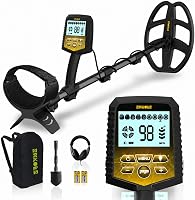
- Included gear: A kit may include headphones, a shovel or a backpack, reducing the items you need to buy separately.
Avoid paying extra for features you won't use. A detector for dry parks doesn't need to meet the same needs as one you'll take into water.
Which features are worth paying more for?
Pay more when a feature solves a problem you'll face often. For example, beach modes matter more if you regularly hunt at the shore, while a collapsible design can be useful if you carry your detector in a vehicle or backpack.
The Minelab X-Terra PRO offers Park, Field and Beach search modes, plus IP68 waterproofing to 16 ft. Those features make it a candidate for someone who expects to hunt across different terrain.
The Minelab Vanquish 360 also has Park, Beach and All Metal modes, with IP68 waterproofing to 16 ft. Its Multi-IQ technology works without manual frequency switching.
Read what waterproof means on a metal detector before paying more for water use. Make sure the detector's depth limit and instructions match the way you plan to hunt.
Which detector features can help a beginner?
Beginners can benefit from clear controls, useful search modes and a setup that is easy to carry. Extra features are most helpful when they reduce guesswork or let you search places that matter to you.
The Minelab X-Terra Voyager has 4 modes: All Metal, Custom, Jewelry and Learn. It also has visual Target ID numbers, 7 discrimination segments and a kit that includes headphones, a collapsible shovel and a backpack.
The Bounty Hunter TK4 uses analog controls with adjustable sensitivity and 3 detection modes: all-metal, tone and discrimination. Its 8 in waterproof coil suits damp ground and shallow water, but coil waterproofing does not establish that the whole detector can be submerged.
For step-by-step help with your first outing, read how to use a metal detector.
Should you buy a kit or detector on its own?
A kit can be better value when it includes gear you would otherwise buy. Compare the included pieces with what you already own, then factor in only the extras you'll actually use.
The Minelab X-Terra Voyager kit includes headphones, a collapsible shovel and a backpack. If those items fit your plans, you can get more of your starting gear in one package.
If a kit includes items you won't use, a detector-only option may be a better match. Compare the contents before deciding, and consider whether you need a pinpointer to help locate a target after the main detector signals.
How can you compare detectors without focusing only on price?
Compare the features and included gear side by side, then match them to the place you'll hunt most. This helps show whether a higher-cost option adds something you'll use.
| What to compare | Why it matters |
|---|---|
| Search modes | Match modes to parks, fields, beaches or all-metal searching. |
| Waterproofing | Check whether the coil or the full detector is waterproof, plus any depth limit. |
| Target information | Target IDs and discrimination controls can help you decide what to dig. |
| Weight and portability | A lighter or collapsible detector may be easier to carry. |
| Included gear | Headphones, a shovel or a backpack can reduce separate purchases. |
Once you've narrowed down the features you need, compare current prices across models. Our guide to cheap versus expensive metal detectors explains when extra features can make a difference.
What should you budget for beyond the detector?
Leave room for tools to recover targets and any power supplies your detector needs. The right extras depend on the locations you visit and what the detector already includes.
You may want a digging tool, a pouch for finds and a pinpointer. Some kits include a shovel, so check the contents before buying another.
A pinpointer can help narrow down a target's location, but it doesn't tell you whether an object is safe to handle. Get permission to search and dig, and don't disturb suspected ammunition or other hazardous objects.
Plan for the detector's power needs, too. The Minelab Vanquish 360 has a built-in rechargeable lithium-ion battery with up to 10 hours of run time, so include charging in your outing plans.
How much should you spend on a first detector?
Spend enough to get the features your usual hunting spots need, then stop before paying for extras you won't use. A first detector should have controls you understand and suit the terrain where you'll learn.
Choose a basic model if you plan occasional hunts in dry parks and want simple controls. Consider terrain-specific search modes or full-detector waterproofing if you expect to visit beaches, fields or wet areas.
If you aren't sure where you'll hunt, make a short list of likely locations before you shop. Then use our guide to starting metal detecting to plan your first steps.
Choose a detector by terrain, features and budget
Set your metal detector budget around where you'll hunt and what you'll use. Pick simple controls for occasional dry-ground hunts, terrain-specific modes for varied locations, or a kit if you need its included gear.
Compare current options in our best metal detectors guide, then choose the model whose modes, waterproofing and accessories match your plans.
Frequently asked questions
How much is a good metal detector for a beginner?
Your beginner budget should cover the controls, search modes and waterproofing you need for your planned hunts. Compare those features and any included accessories, then choose the lowest-cost option that covers your needs, leaving room for any tools you'll need to buy separately.
Is an expensive metal detector better?
A higher-priced detector isn't automatically better for your needs, even if it adds search modes, target identification or waterproofing. Compare the specific features and intended terrain instead of assuming price alone means a better fit, and pay extra only for features you expect to use.
What features are worth paying more for?
Pay more for features tied to your regular hunts, such as search modes for parks or beaches, waterproofing for wet areas, or target identification that helps you decide what to dig. Skip extras that don't fit your location or how often you plan to detect.
Do I need to budget for metal detector accessories?
Budget for accessories that your detector doesn't include and that you'll need for your planned hunts, such as a digging tool or finds pouch. Some kits include headphones, a shovel or a backpack, so compare the contents with what you already own before adding extras.